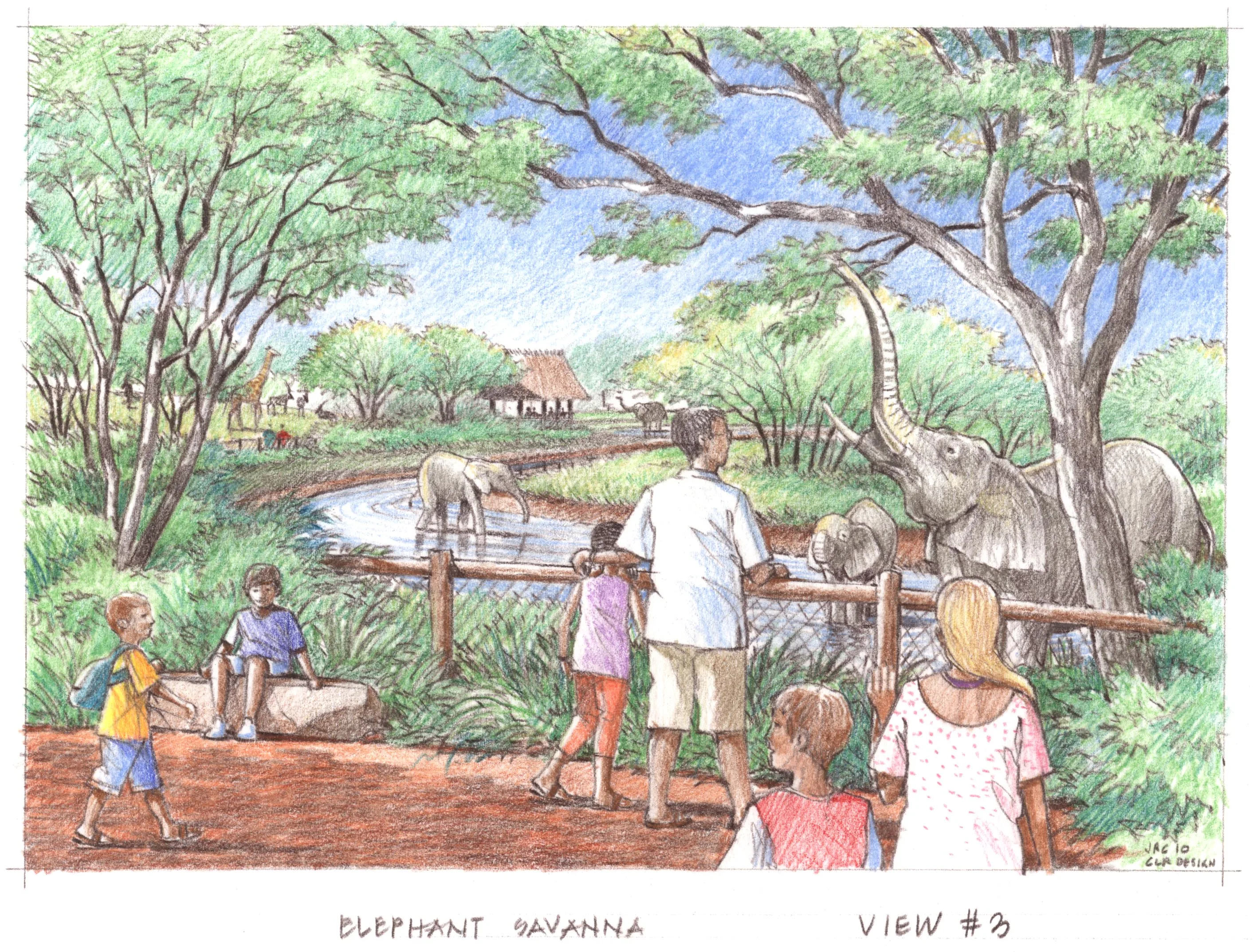
Planet Zoo 2 animal habitat requirements are species-specific. Confirm the exact animal, choose the correct habitat system and use its current values for space, environment, food and social needs. Aquariums also require suitable water volume, salinity and temperature; aviaries use their own construction system. There is no verified universal care table or sequel-wide set of numerical minimums in this pre-release guide.
As of October 12, 2026, the scheduled release is October 13. The steps below organize confirmed systems into a useful preparation checklist. They do not claim a tested care recipe for every animal. Use the Planet Zoo 2 entry when values become available, and keep any missing number unresolved rather than importing a figure from the original game.
Start with the animal and habitat system
An animal's identity comes before an enclosure design. Search for the exact name and confirm that you have selected the intended species. A similar name, shared region or familiar appearance does not establish matching needs.
The sequel expands animal housing with aquariums and aviaries alongside terrestrial habitats. This changes the first construction decision. A tank designed around water volume is not evaluated through the same planning concept as a land enclosure, and an aviary is more than a terrestrial boundary with bird-themed scenery.
As a practical method, write down the intended animal and habitat category before drawing the detailed exhibit. Then collect the values needed for that category. This prevents you from decorating a large structure only to discover that you chose the wrong building system. Do not infer the category solely from whether an animal can swim or from its taxonomic class.
Use the species entry as the numerical boundary
The public Zoopedia provides a species reference, and the current game information should resolve final care values. During the pre-release period, the public material is identified as work in progress. Check the entry before treating a remembered value as final.
No verified minimum land area, climbing allowance, group limit or temperature range is supplied here for individual species. That limitation is specific. The guide can explain what to compare and how to organize a build without pretending to contain a complete database.
Keep the unit beside every value you record. Area and volume describe different things, and a temperature range is not a target chosen from a biome's visual appearance. If a requirement depends on the intended animals, use the applicable game information rather than extrapolating from a screenshot. A blank field is a reminder to verify, not an invitation to invent a convenient number.
Separate the functional home from its scenery
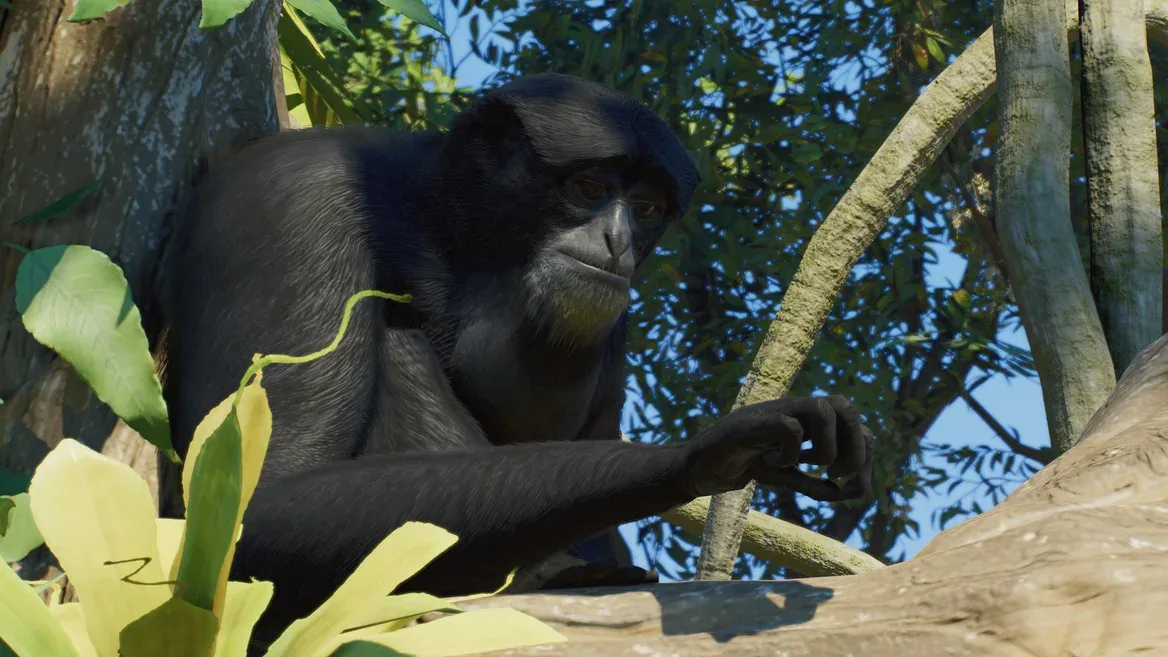
A recognizable animal and a convincing backdrop make an exhibit attractive, but the visible scene is not a complete requirement sheet. Objects behind an animal may be decorative, and the camera may show only part of the enclosure. Do not assume that copying the image reproduces the animal's needs.
Planet Zoo 2 supports more natural-object interactions, including eating, rubbing and scratching where objects are accessible. The qualification matters. An object that looks useful still needs a usable position and support for the relevant species.
As a planning recommendation, place functional elements before filling the habitat with scenery. Keep enough of the arrangement visible that you can inspect access. After the basic home is understood, integrate its parts into the visual theme. This sequence makes it easier to explain what each object does and avoids treating every decorative addition as a welfare improvement.
Check space without guessing a universal formula
Appropriate space is a confirmed consideration, but the exact values differ by species and habitat system. A large-looking exhibit does not prove that it meets the relevant requirement. Conversely, the animal's small body size does not establish a small simulated minimum.
Before choosing a final boundary, collect the current space information for the intended residents. Keep the animal's area distinct from guest paths, exterior buildings and decorative land outside its home. A themed district can occupy far more space than the enclosure itself.
Leave a practical direction for redesign during your first construction pass. This is a building recommendation, not a promised welfare bonus for spare land. It allows corrections without removing every adjacent facade or path. Only fix the final surrounding architecture after you can compare the functional habitat with the species values and understand how access works.
Build aquariums around water conditions
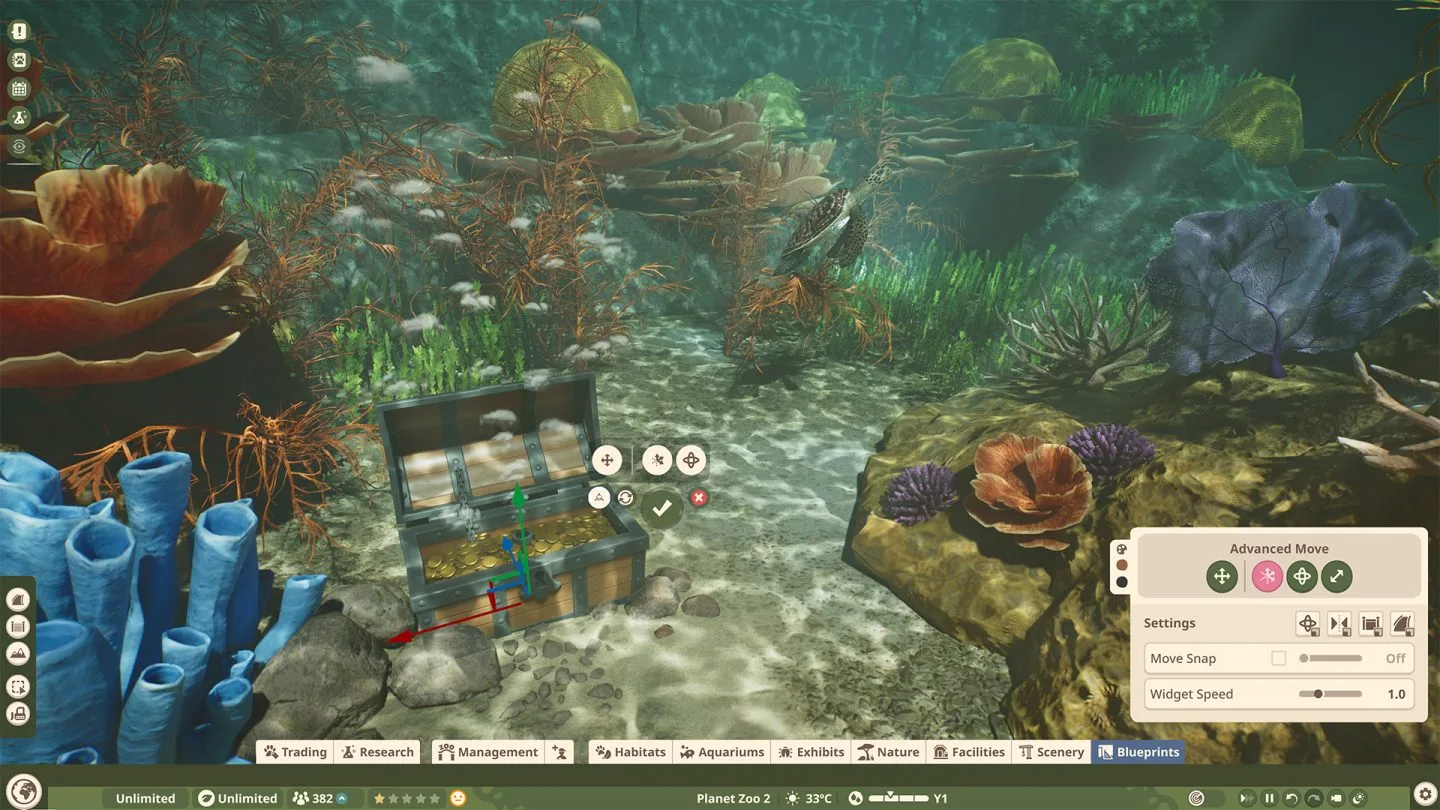
Aquatic animals require food, suitable space expressed as water volume, and an appropriate environment. Salinity is critical: freshwater, saltwater and brackish conditions are distinct. Filters attached through a water network can supply the appropriate type of water.
Temperature is another consideration and can be controlled through the aquarium staff gate, alongside lighting options. Do not choose a temperature because the water looks tropical or because another resident uses it. Verify the relevant species range.
An aquarium also needs a staff gate connected to the path network. Keep access and water supply in the initial plan, before building elaborate viewing architecture. A guest tunnel or attractive window cannot compensate for an unverified water setup. Water tone is customizable, but visual color should not be presented as proof of correct salinity, temperature or cleanliness.
Keep aquarium care and barrier maintenance separate
Aquarium cleanliness affects both animal care and viewing. Dirty water and windows can make animals harder to see, and dirty aquariums can increase disease risk. The water network supplies clean water while staff also dive in to clean windows.
Aquarium barriers require maintenance to reduce the chance of cracks and leaks. Different barrier types offer different protection, but no numerical durability ranking or inspection interval is verified here. Review the actual pieces and their information when making a final construction choice.
As a practical checklist, distinguish water condition, window cleaning and barrier condition. They are related to the same exhibit but should not be collapsed into one vague 'tank looks fine' judgment. A clear view may tell you something about visibility without proving that every animal's environmental needs are met. Evaluate the functional conditions as well as the appearance.
Give aviaries their own construction plan
Aviaries use a contained barrier loop and staff gate, with a roof added through the habitat's Add Roof option. The roof generates from nearby barrier posts. Internal pillars let you adjust its shape, height and rotation, while roof material and convexity can also be customized.
For flying space, compare the species' Zoopedia requirement with the aviary Info Panel's Flyable Area. After birds arrive, their welfare information can indicate whether they need additional space. Increasing roof height or expanding the habitat are confirmed adjustment options.
Keep that measurement separate from your visual judgment of the building. A high central roof or a broad footprint cannot replace the recognized Flyable Area reading. The exact requirement still belongs to the intended species, and this guide does not provide a manual calculation for deriving it from the outer dimensions.
Flying birds also need appropriate nesting sites to breed. Nest types vary by species, so resolve the intended residents and reproductive plan before choosing functional nests. Food, water, enrichment and the suitable environment remain part of the aviary's care requirements alongside its roof and flying space.
Verify social needs independently from scenery themes
Animals have unique needs and behaviors, so an environmental theme alone cannot determine a suitable group. Read the actual social requirements before choosing the number and composition of residents. This guide does not supply universal male-to-female ratios or species compatibility pairs.
Separate two questions: whether the animals of one species have a suitable arrangement, and whether different species can share a home. A real-world family group is context, not a simulated population limit. Shared geography or a similar diet is also insufficient to certify mixed housing.
If the necessary compatibility information is unavailable, begin with a species-focused plan and preserve the mixed exhibit as an idea to verify later. That recommendation reduces unresolved decisions. It does not assert that all mixed homes are forbidden or that the initial species must always live alone.
Choose feeding and enrichment through support
A natural diet can explain an animal's biology, but it cannot identify its game feeder, food quality setting or ongoing food bill. Select feeding facilities through the species information and supported options. Decorative food-like objects should remain decoration unless the game establishes a functional use.
Apply the same care to enrichment. Planet Zoo 2 lets animals interact with more objects, but that does not mean every species uses every object in every placement. Accessible positioning is part of the confirmed system.
As a planning method, introduce functional elements in a readable arrangement. When you change the scenery around them, recheck access instead of assuming the original setup still works. Avoid promising a particular animation from the placement of one object. The useful outcome is an enclosure whose care choices you can explain, not a picture assembled around an unverified behavior.
Observe animals with their reported needs
Planet Zoo 2's revised animal decision system considers factors such as time of day, season, weather and internal state. Animals can show more varied behavior and social interactions than before. One short observation therefore cannot reliably diagnose every care issue.
Do not interpret every resting pose as distress or every call as proof that a habitat is correct. The improved audio system relates to behavior and mood, but no simple sound-to-problem table is established here. Use observations to prompt inspection, then compare them with the animal's actual needs and environment.
Keep changes specific when you investigate a concern. Identify what you changed and which animal or access point you are evaluating. Changing the boundary, food setup, vegetation and group at once may make the result harder to interpret. This is an investigation recommendation rather than a tested universal troubleshooting procedure.
Complete a habitat before expanding its role
Use this sequence for a first build:
- Confirm the exact species and your access to its content.
- Select the correct habitat system.
- Record current space, environment, social and feeding values.
- Reserve the enclosure, staff connection and relevant service infrastructure.
- Build functional elements in an arrangement you can inspect.
- Evaluate the intended residents before adding detailed scenery.
- Recheck access after major layout changes.
- Consider mixed housing or conservation plans only when their separate conditions are verified.