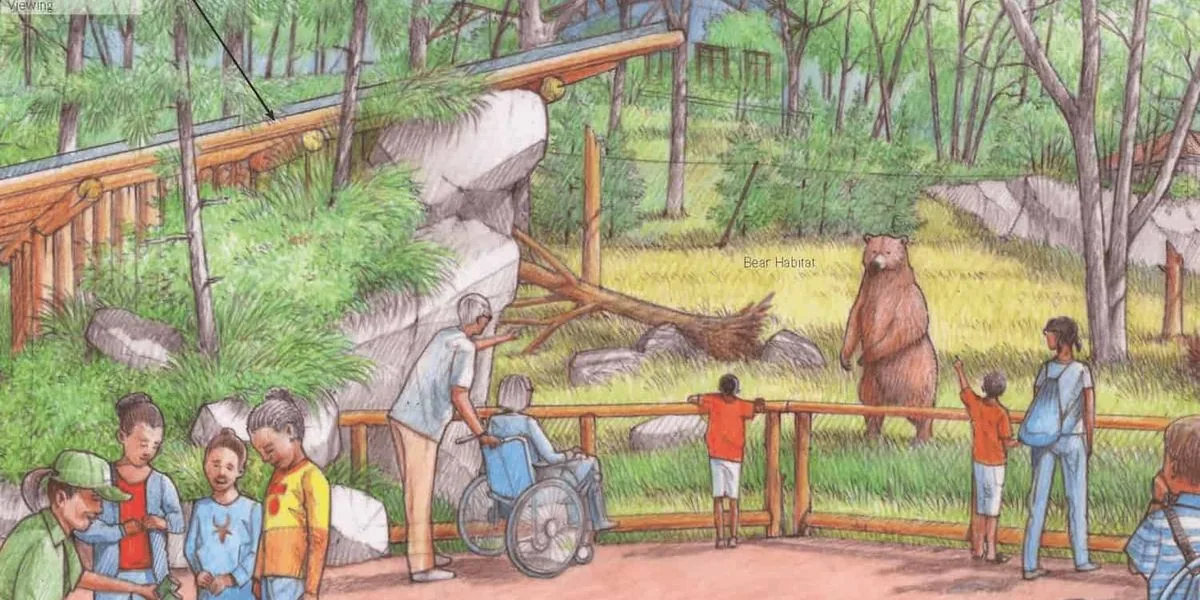
Planet Zoo 2 Wildlife Reserves are expansive, customisable natural environments where you establish ecosystems, reintroduce animals and conduct research that supports your zoo network. They develop the original game's abstract release-to-the-wild action into a place you can manage and explore. This guide covers confirmed systems as of 12 October 2026; exact costs, ecosystem thresholds and release-group values need to be checked after the 13 October launch.
The practical order is to choose a conservation goal, prepare an appropriate ecosystem, check the animal release group and build the research support the reserve needs. You can then observe animals living in that environment and use the resulting knowledge to improve your wider network.
A reserve is a conservation project with its own environmental and research work. Treating it as a large empty zoo or a decorative map misses the systems that make it useful.
Start with a location and an ecosystem goal
Wildlife Reserves appear in different parts of the world, including the rainforests of Sumatra and the grasslands of the Great Rift Valley. Their available ecosystems vary with location. Examples include grassland watering holes and lowland marshes in broadleaf reserves.
Choose the environment you want to restore before selecting a collection of animals. The species should fit the ecosystem project, rather than forcing an unrelated landscape to accommodate a favourite roster.
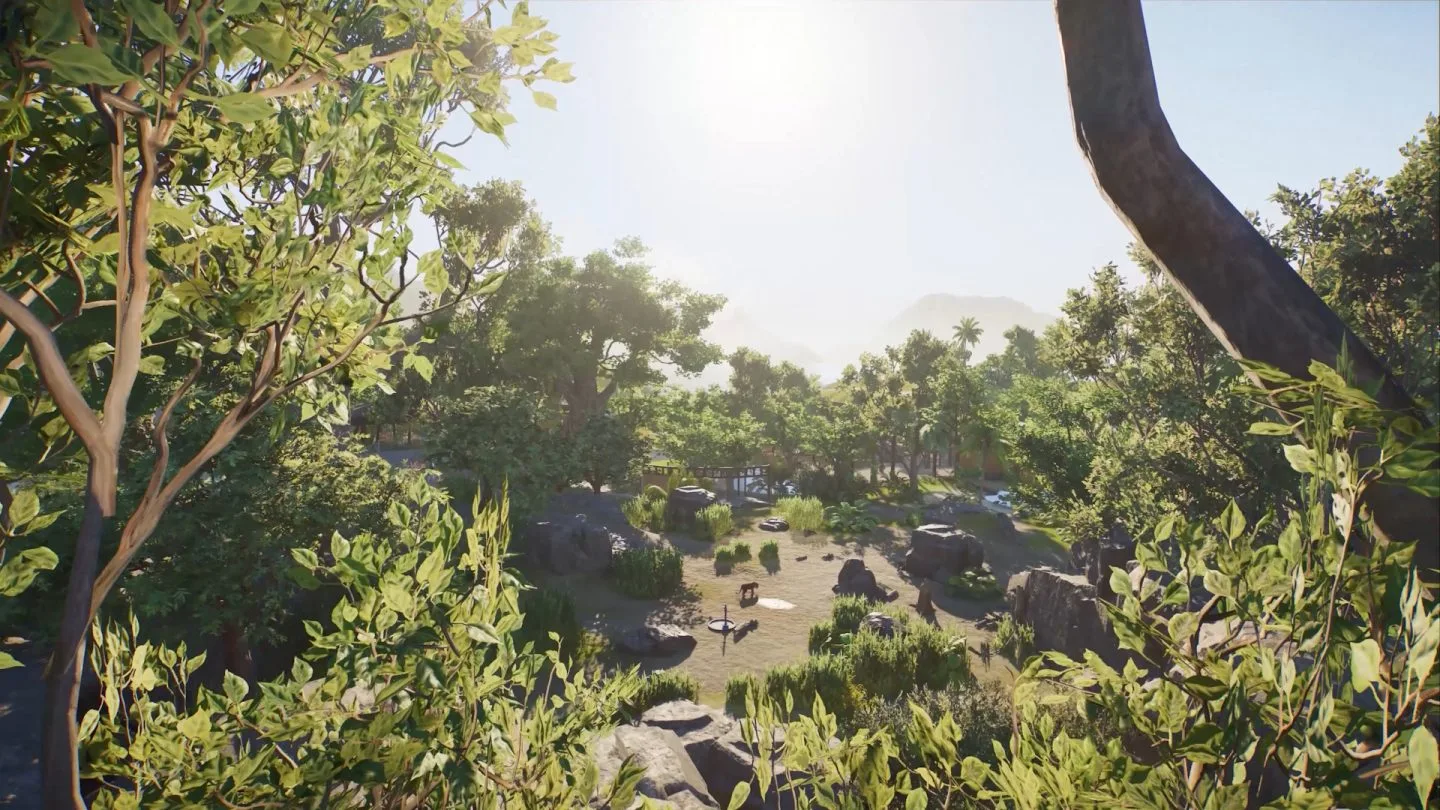
The forest reserve view illustrates the scale and layered vegetation of a natural environment. Use it to think about connected areas of water, terrain and foliage. It does not establish exact plant percentages or prove that every visible area is ready for every species.
A useful initial plan contains a location, an ecosystem type, the animals or ecological roles you hope to support and the environmental work still required. Keep the plan small enough that you can evaluate whether it is ready before expanding into more ecosystems.
Restore the environment before releasing animals
Reserve ecosystems can be affected by pollutants and invasive flora. Preparing them includes cleaning up those problems, removing invasive plants and establishing an appropriate balance of water, foliage and terrain.
This sequence gives the animals a suitable destination. Adding animals first and trying to make the environment work afterward leaves the conservation project dependent on assumptions you could have resolved earlier.
Separate restoration from decoration. A visually convincing forest or grassland can be an attractive build while still failing the game's applicable ecosystem requirements. Check the actual conditions shown in your reserve instead of judging readiness solely from a screenshot.
Keep a short list of unresolved environmental tasks. For each one, note the affected area and what the game says is needed. Once you have addressed it, review the ecosystem again before proceeding. This creates a clearer progression than making several large terrain changes and hoping one of them fixes the problem.
Use environmental balance as a design constraint
Water, foliage and terrain are confirmed factors in ecosystem preparation. The required balance varies with the environment you are creating, and this guide does not provide a universal ratio.
Build broad environmental features first. Mark the area, establish the main land and water arrangement and consider the vegetation structure. Then refine the details after checking how the ecosystem responds. This is planning advice, not a claim that every reserve follows a fixed construction order in its interface.
Avoid filling the entire reserve with one kind of scenery simply because it looks natural. A landscape's appearance and its suitability for an ecosystem are related, but they are not identical. The actual requirements should guide the final arrangement.
When you alter an established area, review its environmental conditions again. A change made for a new animal or an attractive viewpoint can affect the balance you previously created. Keeping that dependency visible makes later troubleshooting easier.
Build biodiversity through different ecological roles
Animals in Wildlife Reserves perform different roles, such as rooting in soil, browsing from trees and acting as predators. Filling the ecosystem's roles with suitable populations improves biodiversity and contributes to the reserve's overall rating.
Think about the function of an addition rather than counting species alone. A roster can be varied without necessarily providing the mix of roles the ecosystem needs. Conversely, the right next step may be to strengthen an underrepresented role rather than introduce the most visually distinctive animal.
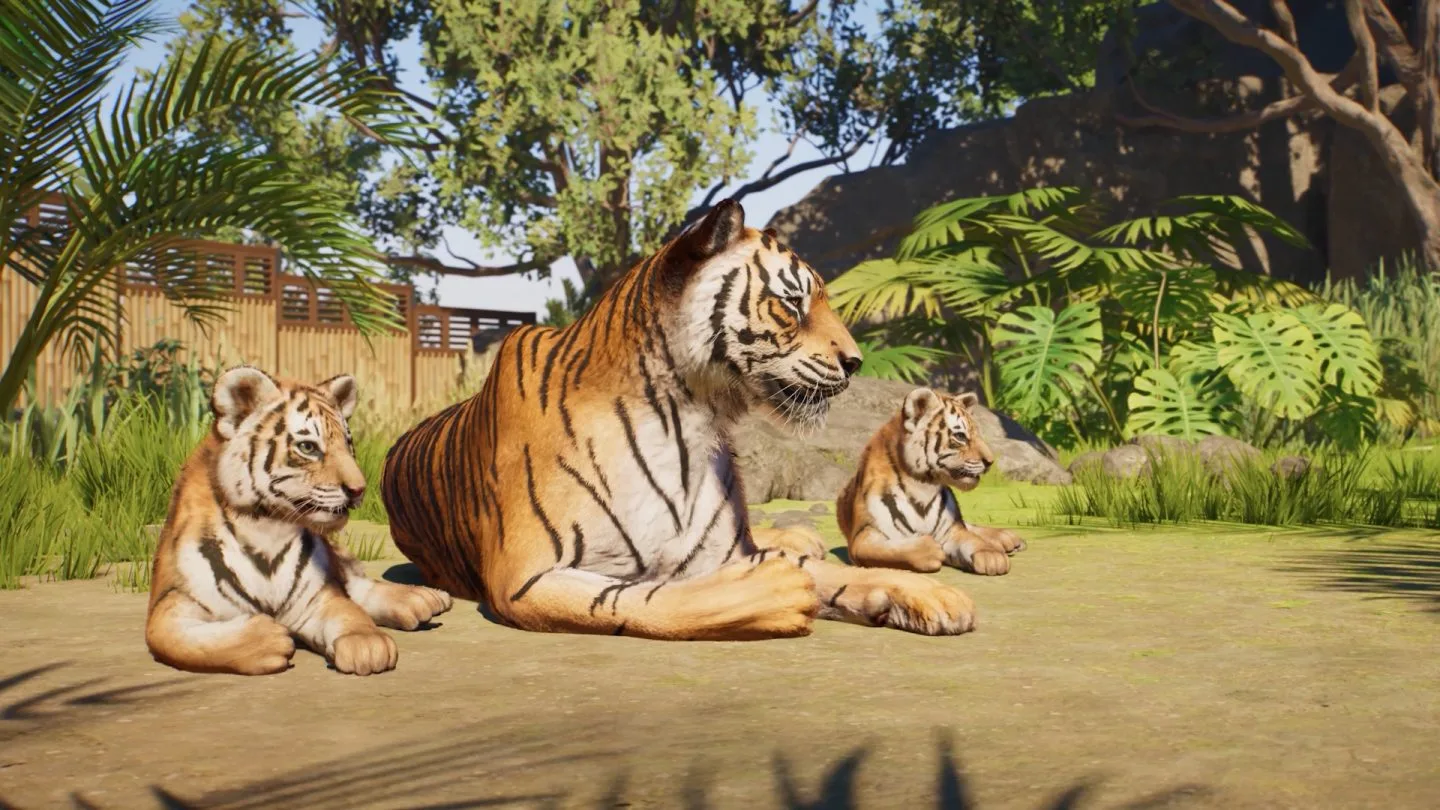
The tiger family provides an example of animals occupying a natural reserve environment. It helps identify the kind of setting you are developing, but it is not a compatibility chart or a guide to predator population size.
Use the game's actual ecosystem information when choosing the next population. Do not infer predator-prey pairings, stocking ratios or species relationships from real-world expectations. The confirmed role system tells you what to investigate; it does not establish a complete ecological recipe for every reserve.
Understand release groups before planning a transfer
Animals leave zoos for reserves through release groups. These are groupings of a given species, and they vary between species. They may involve a solitary animal, a breeding pair or a larger group.
A release plan therefore needs more than a species name. You need to identify the applicable group and check that the animals meet its actual requirements. Longevity, fertility and genetic diversity are confirmed examples of attributes that may matter.
Research also contributes to release opportunities. Before assembling animals for a reserve, check what species knowledge and other conditions the game requires for that particular project.
This guide does not publish numerical release thresholds or assume that every healthy animal qualifies. Keep animal suitability and ecosystem suitability as separate checks. A well-prepared reserve cannot make an ineligible group valid, and an eligible group still needs an appropriate destination.
Follow the animals' lives beyond the zoo
Once released, animals live in the reserve's natural environment, fill their ecological niche, raise young and increase the wild population of their species. This is the central difference from treating release as a one-time disposal action.
Use observation to understand the outcome of your conservation project. Look at where animals spend time, the environment they use and the behaviours you can see. Those observations can help you decide what to inspect next, without turning a single scene into a claim about every animal.
A reserve population is not simply an extension of the visitor display in your zoo. The purpose is to support animals in a natural ecosystem while maintaining a minimal staff presence. Design your observation and research around that goal.
Avoid repeatedly changing large parts of the landscape merely to obtain a preferred photograph. Keep the animals' environment and your conservation objective in view when making aesthetic adjustments.
Create a Research Network with a clear purpose
Wildlife Reserves generate insights into natural behaviour, earn Conservation Credits, unlock higher levels of species research and provide opportunities to help zoo animals thrive. To support that work and enable more species to be released, you build Research Networks.
A Research Outpost forms the network's core and comes with a Research Vehicle. Additional equipment includes Observation Platforms, Acoustic Monitors and Camera Traps. They support watching animals, gathering audio and recording footage.
Plan these facilities around the ecosystem you are studying. Identify the areas and behaviour relevant to your goal, then inspect the actual equipment requirements and effects in the game. The confirmed feature descriptions do not provide coverage radii, data rates or an ideal number of devices.
Premade blueprints and your own designs can be used in reserves. They can support construction, but a visually complete building should still be checked against the research function you intend it to serve.
Explore without losing track of the project
The Research Vehicle lets you travel across reserve terrain, and you can also leave it to explore on foot. A compass helps guide you toward nearby animals, while a camera lets you photograph their behaviour.
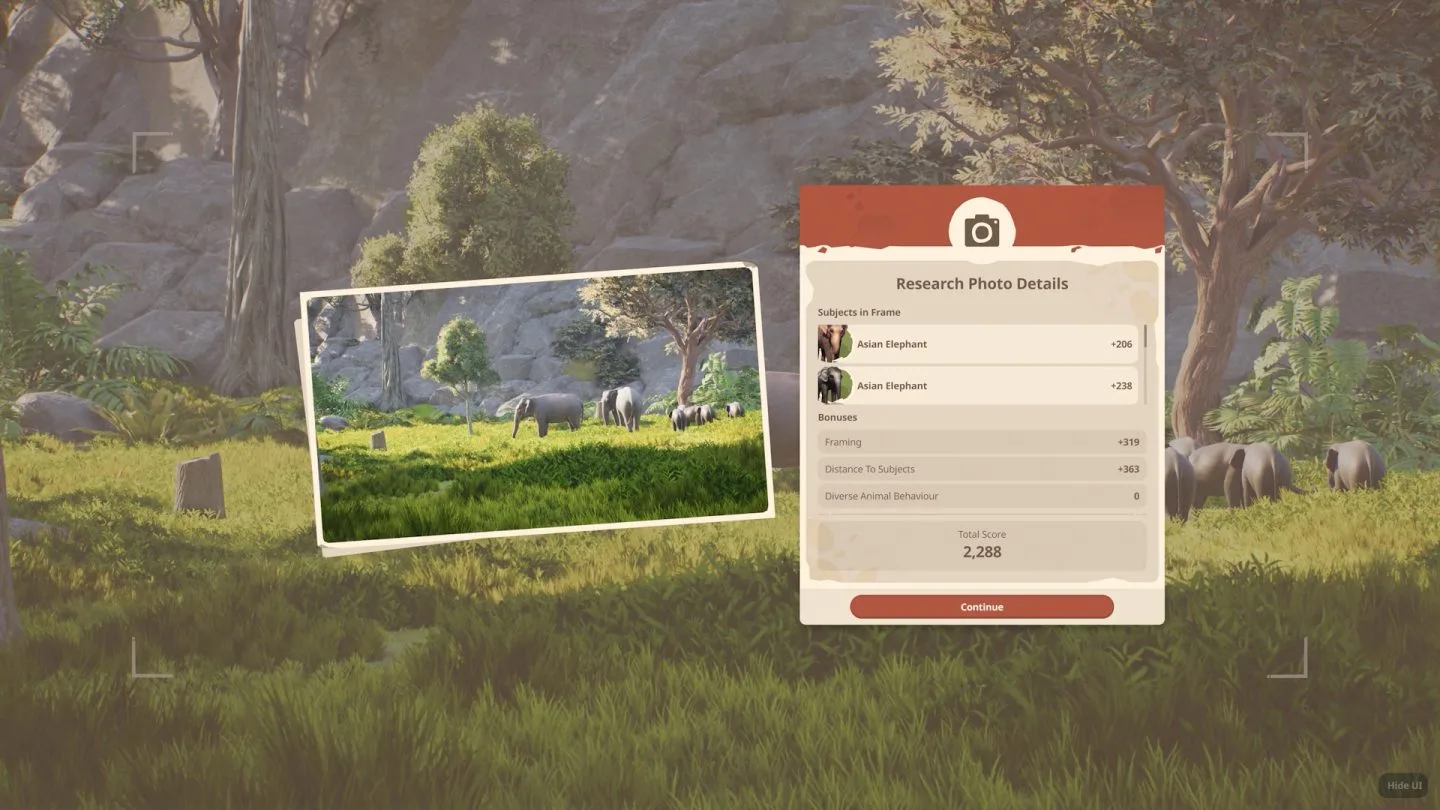
The reserve photography view demonstrates observation as a separate activity within the environment. Use exploration to see the landscape and animals from their level after planning them from above. Keep your visits connected to what you want to learn rather than treating every trip as a substitute for ecosystem management.
Try to observe varied behaviour and avoid disturbing the animals. A useful exploration note records the animal, area and behaviour you noticed, along with any follow-up question about the ecosystem or research project.
This guide does not provide unverified driving controls, camera shortcuts or photography reward values. Follow the actual control prompts and objectives in your version of the game.
Connect the reserve to your zoo network
The Planet Hub brings your locations together across the current game mode. It allows you to view and visit zoos and Wildlife Reserves while also managing trading, storage and research.
Use that view to connect the reserve's goal with the zoo animals and research that support it. A reserve project might need a suitable release group from a zoo; its research may later improve the care options available to your animals. Keeping those links explicit helps you decide where to work next.
Franchise includes shared progression and research across its global network. Career and Sandbox also use the Planet Hub, but this guide does not assume identical progression rules or unrestricted transfers between modes.
Give each reserve project one clear next milestone. That might be an ecosystem ready for its first population, a qualifying release group or a research network established for a particular area. It is easier to assess progress against a milestone than against a vague intention to make the reserve better.
Diagnose a reserve that is not progressing
When progress stalls, review the project in the order its dependencies appear:
- Confirm the location and the ecosystem you are trying to establish.
- Check pollutants and invasive flora that still need attention.
- Review the applicable water, foliage and terrain conditions.
- Identify ecological roles or populations the ecosystem still needs.
- Check the release group's actual eligibility and research requirements.
- Inspect the Research Network and the function of its equipment.
- Revisit the reserve's rating and other available feedback after making a targeted change.
Do not use a low rating as proof of one particular cause. Environmental preparation, population roles and research support are different parts of the project, and each needs its own inspection.
Change one identifiable problem at a time where practical. This lets you understand what improved the reserve and makes it easier to repeat the result in another location.
Expand from a functioning ecosystem
Once the first project is established, use what you have learned to plan the next area. Keep the successful ecosystem's needs visible while adding another population or a new environment.
Expansion should have a conservation purpose. Identify which animals or ecological roles the next area will support and what research it might contribute. That makes the additional terrain work meaningful.
The finished outcome is a reserve whose ecosystem, population and research support fit together. A large landscape, an impressive animal collection or a research building on its own is only part of that result. Use the actual game feedback and your observations to verify that the project is doing what you intended.