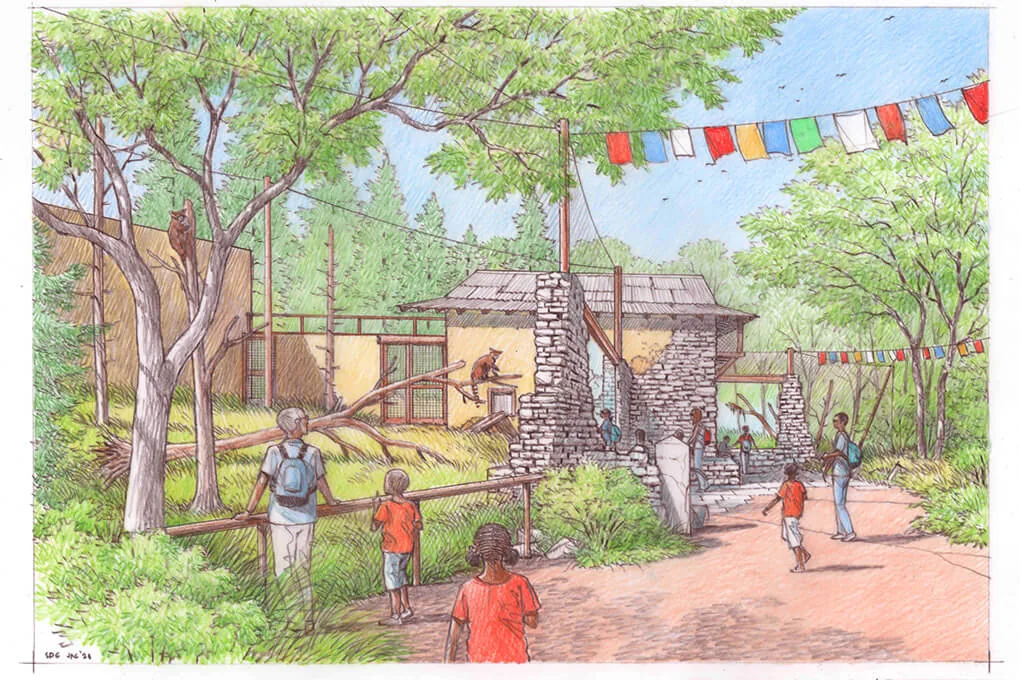
For Planet Zoo 2 path building problems, first identify whether the difficulty concerns placing a path, its terrain relationship, the surrounding layout, or the visitor experience it creates. The sequel has a new pathing system, including a stamp tool with varied shapes and sizes for plazas and cutouts. As of 12 October 2026, the game is unreleased, so no list of confirmed launch bugs or tested universal fixes can be established here. Use the diagnosis plan below to isolate a problem without importing predecessor controls or workarounds as sequel facts.
A path that looks awkward, a route that gives a poor view, and a placement action that fails are different issues. Describe the actual result before rebuilding a whole area. Start with a small, clear test and change one condition at a time so that you can see what made a difference.
Describe the result you are trying to create
Before editing, state the intended route in simple terms. You might want a connection between the entrance and the first habitat, a large plaza beside visitor services, a raised bird-viewing route, or an opening for a planted garden.
Then describe what prevents that result. Is the shape visually wrong? Does the terrain relationship look inconsistent? Does the route lead guests past the attraction without a useful view? Or does the placement action itself not produce the expected path?
This distinction keeps a design issue from being mislabeled as a game bug. A route can function while failing your aesthetic goal. Equally, a pleasing design can still need a more careful service or viewing arrangement.
Keep the description observable. Statements such as 'the curve is too broad for this space' or 'this viewpoint is lower than the perched birds' identify a concrete design problem. A broad claim that the entire path system is broken does not identify what to test next.
Use a small area to learn the current tools
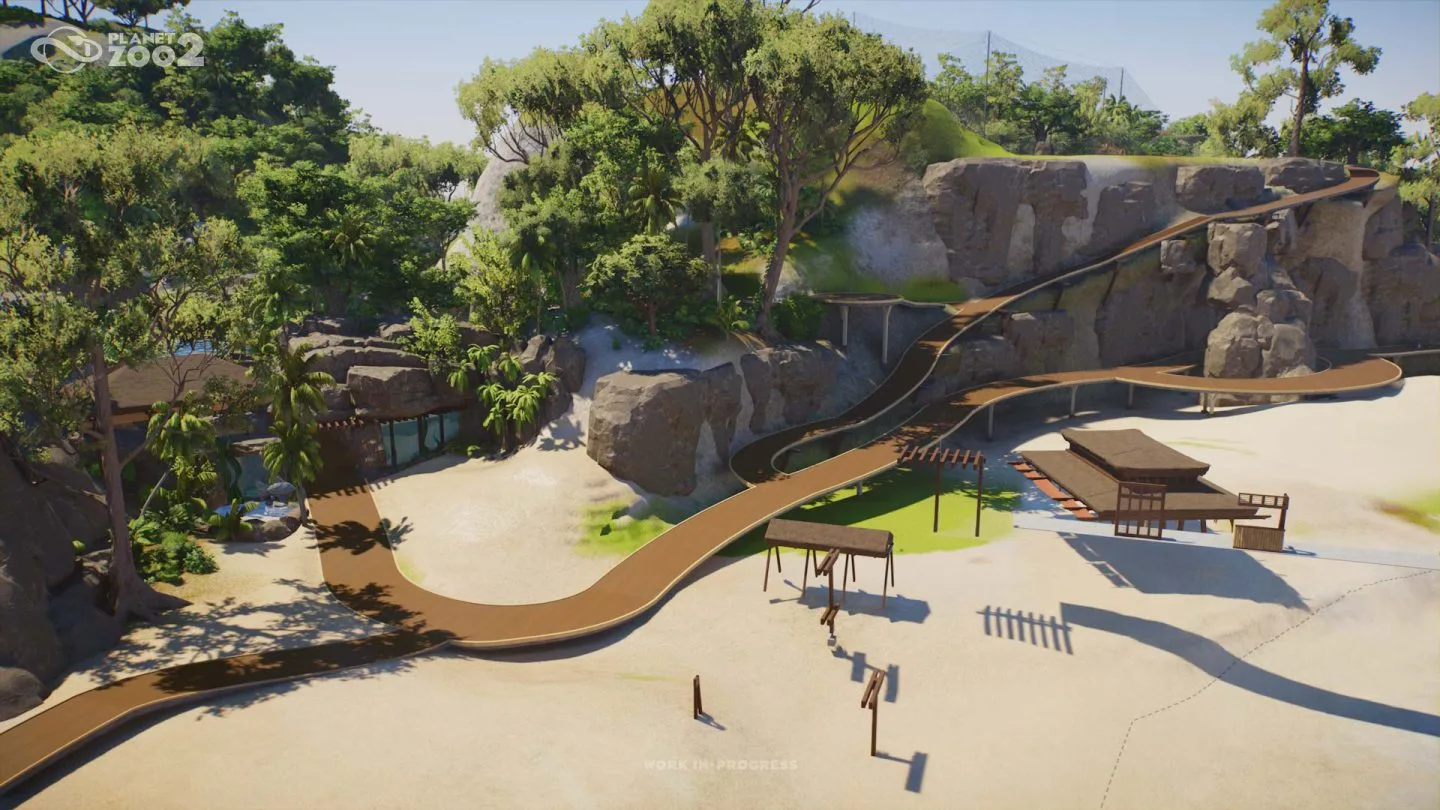
The new pathing system supports large plazas and variations in style and color. Its stamp tool comes in different shapes and sizes and can be used to place pathing or cut interesting shapes from a plaza for gardens.
Try an unfamiliar tool in a simple part of the build before applying it to a finished entrance or a densely decorated habitat edge. This is a suggested learning method rather than a claimed requirement for the path system.
Use a clear target shape and a manageable test area. When the surrounding terrain, scenery, and buildings are simple, you can more easily tell whether the tool is producing the form you intended.
Do not assume the sequel uses the same hotkeys, placement grid, terrain restrictions, or collision settings as the predecessor. The confirmed new system is enough reason to verify current controls in the game before copying an old fix.
Once you understand the result of a stamp or placement option, return to the planned area and evaluate the actual fit. A test that works on an empty patch demonstrates something about the tool, but it does not automatically certify every combination in your finished layout.
Establish terrain before detailed path dressing
The broad terrain arrangement belongs early in the design. A confirmed building workflow starts with rough levels and pathing, then maps the entrance, first habitat, guest area, and staff area before smaller scenery details.
For a proposed troubleshooting test, use a simple terrain condition and compare it with the area where you are having difficulty. If the result changes, you have a clearer reason to inspect how the route and terrain relate. This is an experimental approach, not a verified universal fix.
Planet Zoo 2 includes a flatten-to-foundation brush, and terrain can be edited beneath water while the water remains placed. These are confirmed creative tools, but the supplied information does not establish every rule linking them to path construction.
Avoid changing the terrain and path shape in several ways at once. If the revised result looks better, you may not know which change mattered. A controlled comparison is more useful when learning an unfamiliar system.
After establishing the main route and elevations, add the decorative surfaces and surrounding planting. This leaves room to correct the broad relationship without removing an entire finished garden or building facade.
Separate route design from placement failure
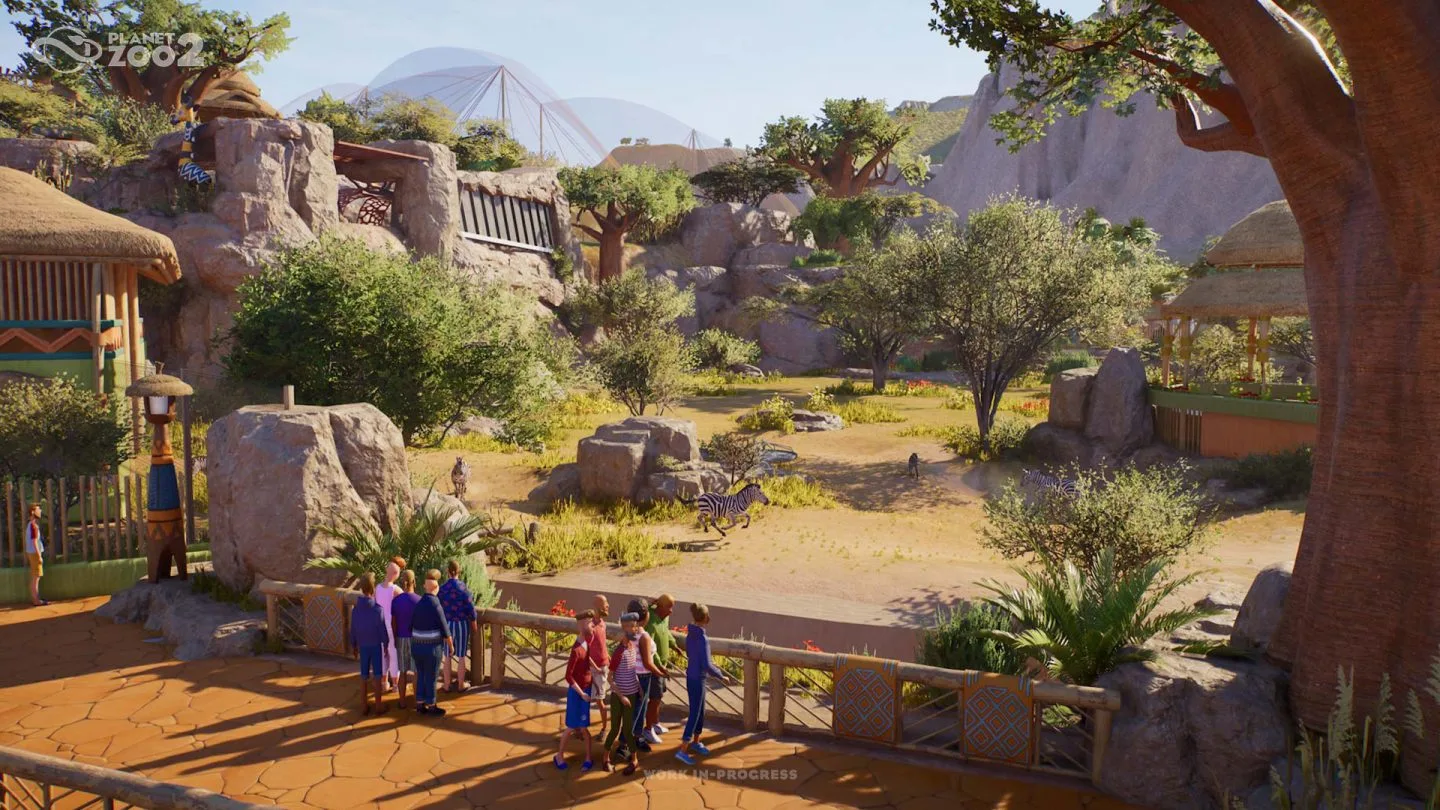
A placement problem concerns whether the path action creates what you intended. A circulation design problem concerns where the route goes and how it relates to attractions and services. These should be investigated separately.
For a route design review, follow the planned visitor journey from entrance to attraction and onward to services. Identify turns, open areas, and points where the destination becomes visible. This is a spatial review you can perform without claiming to know hidden crowding thresholds.
If the path tool creates a usable shape but the route is unattractive, revise the design rather than treating the successful placement as a malfunction. You may want a smaller plaza, a different approach to the habitat, or a clearer transition between areas.
If the placement action does not behave as expected, keep the test narrow. Inspect the current tool choice and conditions using the game’s available feedback, then compare with a simple test area. Do not assert that every failure is caused by terrain slope, buildings, or a particular setting unless the game establishes it.
The useful output of this diagnosis is a description of the condition that changes the result. That is stronger evidence than a remembered predecessor workaround that happens to sound similar.
Plan plazas around a clear purpose
The stamp tool can produce large plaza shapes and garden cutouts. Before making a plaza larger, decide what it should contain: an arrival area, a collection of visitor services, a place to rest, or a view toward a focal habitat.
This keeps the size related to the design you actually need. The supplied information does not establish an ideal plaza dimension or a universal visitor capacity per unit of path. Do not label a visual preference as an optimized crowd-management measurement.
Place the main functional areas while the plaza is still rough. Then compare the paths leading into it with the surrounding habitat and building footprints. It is easier to revise the broad shape at this stage than after adding many decorative pieces.
Use cutouts for an intentional feature rather than as a patch for every awkward shape. A planted opening can reinforce the zoo's theme, but it should fit the route and sightlines. An attractive garden in the middle of a poorly planned approach does not solve the approach itself.
Review the area from guest height as well as overhead. A shape that reads clearly on the map may feel different when buildings, foliage, and habitat edges frame the route. Both perspectives help you identify a design issue without inventing a pathing bug.
Check viewing at the animal's level
Guests need a good view of animals. A path can reach a habitat and still offer an unsatisfying viewpoint, especially when the animals spend time above or below the level of the route.
Flying birds are a useful example. Many perch or fly overhead, and elevated walkways can provide appropriate views inside or outside aviaries. A ground-level path that shows mostly vegetation may be a viewing design issue rather than a broken visitor route.
Check whether the inhabitants suit the proposed access. Some birds can live in walkthrough aviaries, created with a guest gate and internal path, while other species are shy. The Zoopedia should determine walkthrough suitability before you treat an interior route as a solution.
Animal retreat still matters. Guests want to see animals, but animals need opportunities to hide away and avoid stress. A redesigned viewing path should be evaluated against both needs rather than assuming maximum proximity everywhere is an improvement.
Use a few meaningful viewpoints. An open flight area, a perch zone, or a landscape feature can give the route a clear visual purpose. You do not need every path segment to show every animal simultaneously.
Include services when reviewing the route
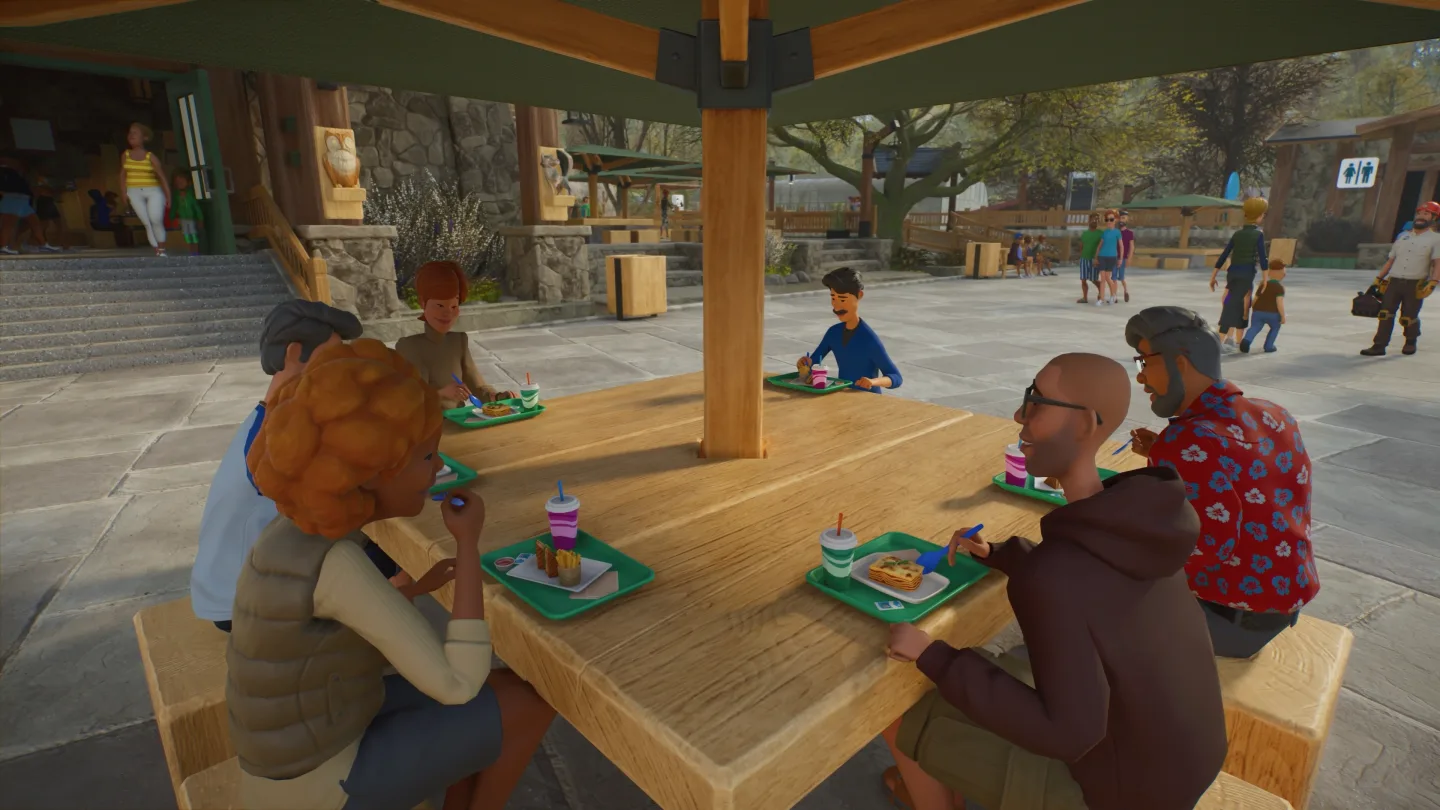
Visitors need food, drink, toilets, and places to rest. If guest reactions are poor, the route's relationship to those services may deserve inspection even when path placement itself is working.
Start with the visitor experience in the affected area. The existence of a facility elsewhere does not establish that this part of the zoo provides an effective visit. Use the guest information available in the game to determine which need requires attention.
Avoid attaching a universal maximum walking distance or shop spacing to the plan. Those numbers are not established in the provided Planet Zoo 2 material. The correct response should follow the actual zoo layout and visitor feedback.
As a zoo expands, consider whether another small guest area fits the developing route. This is a planning option rather than a demand to duplicate every service beside each habitat. Additions should answer a known need and fit the operation you can support.
Scenery can also improve staff and guest happiness. Use it to make service areas coherent, but keep the underlying route and functional layout understandable. Dense decorative work makes later broad changes more complicated.
Keep staff connections understandable
Habitats require support, and the staff area belongs in the rough layout alongside visitor paths. Include care access while mapping the first habitat rather than finishing the public area before thinking about how the animals will be looked after.
Keepers provide feeding and care, vets treat animals and research, and mechanics maintain habitats and facilities. Work Zones can divide the zoo into manageable areas. These confirmed systems provide context for planning, but they do not establish a universal staff path arrangement or travel-time formula.
Staff facilities can be visible to guests, who may enjoy watching the care work. Do not rebuild a staff connection solely to hide every building because a predecessor guide recommended doing so.
Review workload and satisfaction using the actual information in the save. A support arrangement that looks compact from overhead is only a proposed layout until the relevant jobs and facilities are functioning as intended.
Avoid treating old reports as current bug evidence
Searches for Planet Zoo 2 path problems can surface long-running complaints about the original Planet Zoo. Those reports establish that path construction has been a player concern, but they do not establish the behavior of the sequel's new system.
A development anecdote or a preview description is also different from a reproducible launch defect. The game has not yet launched at this guide's publication date. Do not assume a known problem exists in your version without observing it there.
If you need to describe a reproducible issue after launch, record the actual tool, the intended result, the area conditions, and what happened. Keep a simple reproduction separate from the entire finished zoo. This makes the problem more specific and easier to assess.
Do not apply sweeping destructive changes as a first diagnostic step. A controlled test in a small area is often enough to distinguish unfamiliar tool behavior from a broader layout decision. Preserve the clear parts of the build while investigating the uncertain one.
Refine the route in layers
Return to the broad plan after the first test. Confirm the terrain relationship, route shape, attraction viewpoints, services, and staff support. Then add the finer scenery that makes the area feel complete.
When an edit succeeds, identify the observable improvement rather than announcing a universal fix. The route may now approach the habitat clearly, the plaza may fit its intended services, or the raised viewpoint may show perched birds. Each result is tied to the build where you checked it.
The practical endpoint is a route you can explain and inspect: it goes where intended, fits the landscape and surrounding areas, provides appropriate viewing, and supports the visitor experience. Exact launch-build restrictions or fixes should be learned from the current game, not inferred from predecessor complaints.