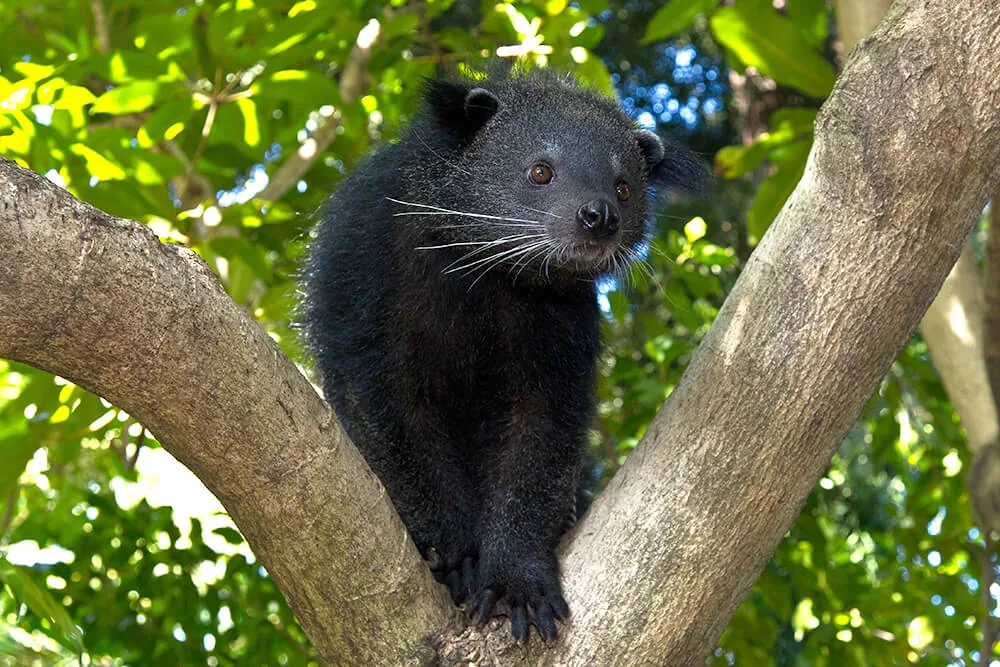
Planet Zoo 2 Thriving animals go beyond having their ordinary welfare needs met. To pursue the new state, first invest in species research, then provide a natural, enriching environment that supports the animal's deeper needs. Thriving animals live longer and encourage guests to donate more. As of 12 October 2026, Planet Zoo 2 is unreleased, so exact launch thresholds, per-species unlocks, and a universal step-by-step recipe cannot yet be verified. The useful approach is to follow the research and animal information for the species you actually keep.
Treat Thriving as a care goal with a prerequisite, not a decoration score you can guess from a screenshot. A beautiful habitat may still miss the relevant conditions. Start with healthy, appropriately supported animals, identify what research makes available, and inspect the resulting animal state after making a focused improvement.
Understand what the state changes
Thriving is confirmed as a step beyond meeting basic welfare. It recognizes extra care in creating a natural and enriching environment. The two specifically confirmed benefits are longer animal lives and increased encouragement for guest donations.
Those benefits give the system both a husbandry purpose and a management consequence. They do not establish a guaranteed amount of money, a fixed percentage increase in lifespan, or a universal payback period. Avoid attaching invented numbers to a feature whose detailed balance has not been established here.
Thriving also contributes to the Animal Husbandry part of Zoo Reputation. Planet Zoo 2's reputation is a five-star overall assessment based on Animal Husbandry, Sustainability, Guest Education, and Guest Experience. Thriving therefore belongs within a wider zoo evaluation rather than replacing every other management task.
The practical outcome you are pursuing is the animal's actual state. A large research investment, a complicated habitat, or a high-looking welfare result may be relevant, but none should be treated as proof that the state has been achieved without checking the animal.
Establish the welfare foundation first
Before directing resources toward Thriving, review ordinary welfare. Animals need food and water, sufficient space, suitable terrain and plants, and appropriate social and enrichment conditions. These requirements remain important even when your long-term goal is more ambitious care.
An unmet essential need provides a clearer priority than a decorative upgrade. If an animal lacks appropriate flying space, address the aviary's reported Flyable Area. If daily care is the issue, examine the resource and support arrangement. A Thriving project should not distract you from a condition the animal already fails to meet.
This distinction helps budgeting as well. You can separate a necessary correction from an improvement intended to exceed basic welfare. Both may be worthwhile, but they answer different questions and should be evaluated against different evidence.
Review the individual animal rather than assuming every inhabitant of a habitat is in the same state. A shared environment can contain animals with different requirements. The plan should identify the species and individuals you are trying to support before you begin adding objects.
Research the species before choosing upgrades
Research is a confirmed prerequisite for achieving Thriving. Investing in research helps you understand the species and what it needs in the wild. Vets conduct animal research, and research can unlock items and improved welfare options.
Start with the animals already under your care. This is a suggested prioritization method, not a claim that every species has the same research cost or level order. It makes the intended beneficiary of your research clear and allows you to evaluate the results in an existing habitat.
Do not assume that research from the predecessor transfers one-for-one into the sequel. The relevant choices, items, and progression need to be inspected in Planet Zoo 2. Familiar animal names do not establish familiar unlock conditions.
The Planet Hub supports managing research across locations within the current game mode. If you operate a broader network, inspect the current research situation before committing to duplicate work based on a guess. The published material establishes the Hub's role but does not provide a complete cross-mode transfer rule.
A useful research note contains the species, the condition or option you intend to investigate, and the current habitat that will benefit. Keep it concrete. Researching everything at once can make it harder to tell which improvement actually helped the animals you selected.
Build a natural environment with a clear purpose
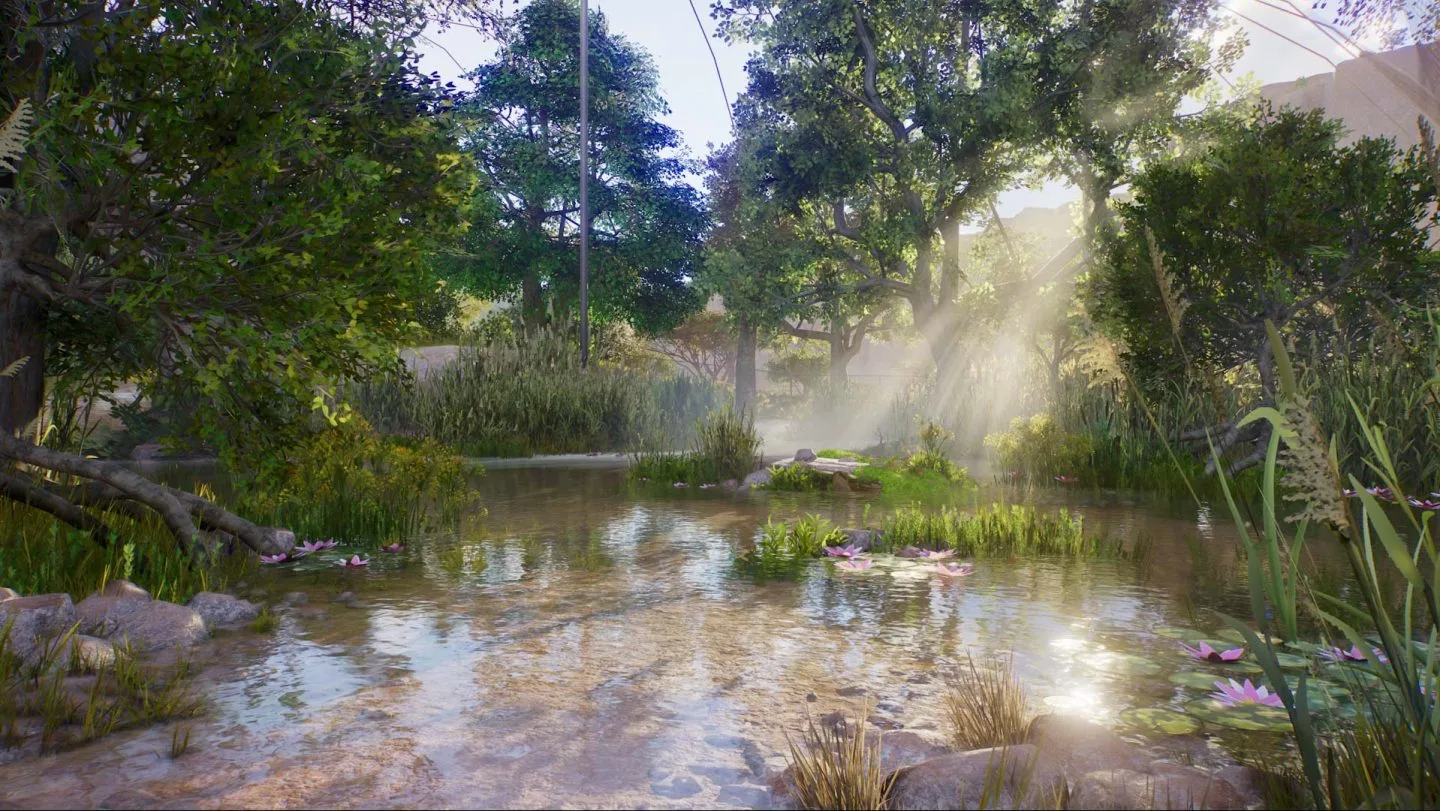
The confirmed direction for Thriving is a natural, enriching environment. Begin with the species requirements, then identify how the habitat can provide meaningful opportunities rather than simply more decoration.
For planning, divide the environment into areas the animals can use: places to move, rest, feed, interact, and engage with enrichment. This is a design framework, not a universal list of required zones or object counts. Different species will use these possibilities differently.
Planet Zoo 2's animals can interact with more natural objects than before, including objects used for eating, rubbing, or scratching when accessible. That gives habitat composition a functional dimension. It does not mean every scenic object automatically advances Thriving or replaces a named requirement.
Work in layers. Establish the main terrain and habitat arrangement, confirm the relevant requirements, and then refine the smaller details. This approach makes it easier to connect each addition to a purpose. An elaborate habitat assembled in one pass may be visually successful while leaving the cause of an animal's condition unclear.
Avoid using density as a proxy for quality. Adding plants and rocks everywhere is not the same as providing the right conditions for the species. The best next addition is the one that addresses a specific requirement or newly understood care opportunity.
Make enrichment accessible and relevant
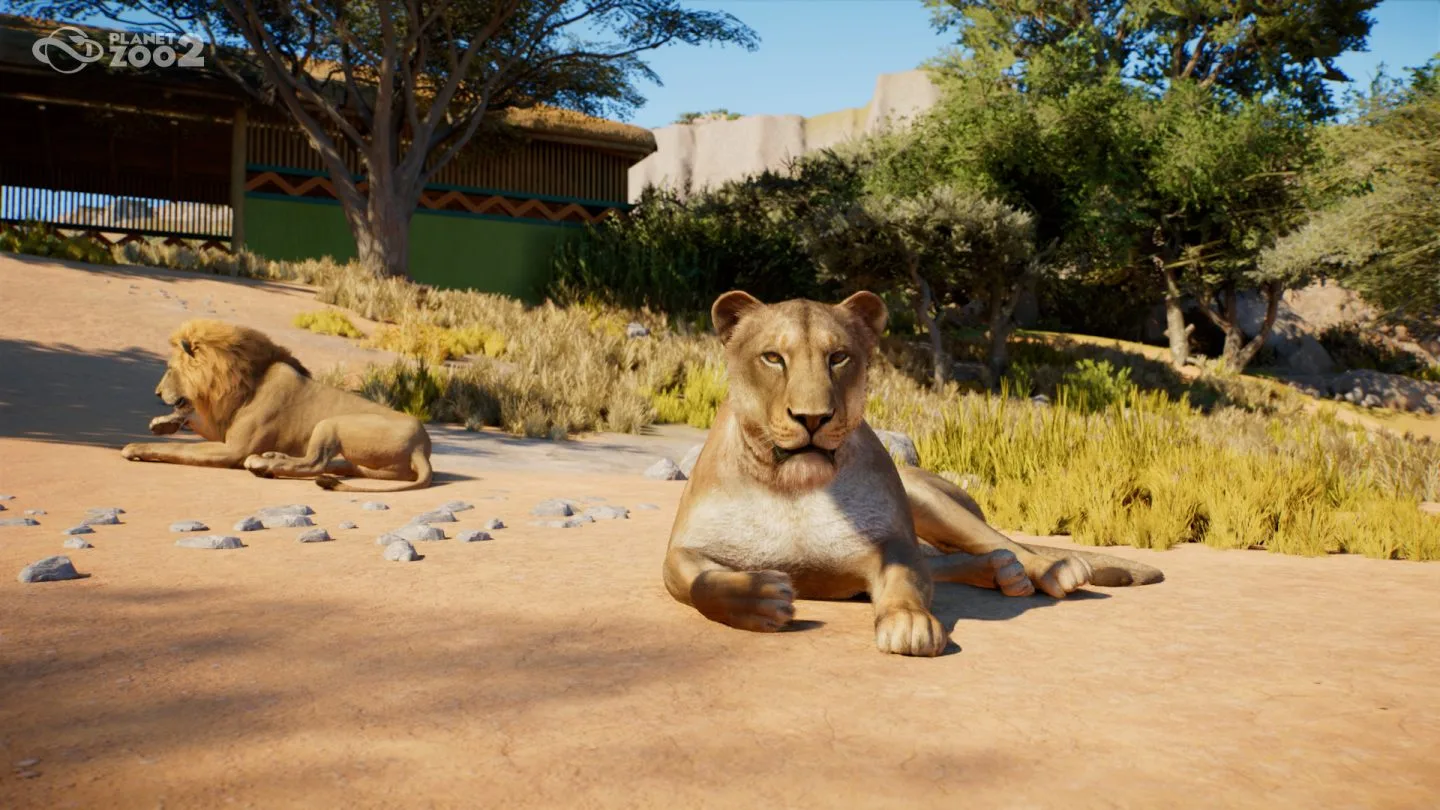
Animals need a fulfilling enrichment environment, and Thriving asks you to go further in understanding their care. Focus on suitable opportunities they can use rather than an arbitrary quantity of objects.
Accessibility matters to the sequel's expanded natural interactions. Objects can be placed at different positions, rotations, and scales, while animals can use them when accessible. A creatively positioned object still needs to make sense in the environment the animal occupies.
Behavior can help direct an investigation. Frightened animals may avoid something and may become less likely to use enrichment. If an object goes unused, check the animal's condition and surrounding arrangement rather than deciding solely from the object’s appearance that it should work.
Observe different parts of the animals' routine. Planet Zoo 2's animal brain considers context such as time of day, weather, season, internal state, and earlier actions. A brief moment without a visible enrichment interaction is not enough to establish that the habitat has failed.
Equally, one attractive interaction is not proof of Thriving. Use behavior to identify useful opportunities and the actual animal state to evaluate the outcome. Keeping those roles separate prevents a photograph-friendly habitat from being mistaken for a fully assessed care environment.
Tailor the plan to animal type
Flying birds bring a clear example of why one Thriving recipe cannot serve every animal. They require suitable flying space, access to resources, enrichment, and an appropriate environment. Some birds prefer perching, while others spend more time walking on land or in shallow water.
Aviary plans can include perches and suitable nests according to species needs. The nesting system matters when breeding is part of the goal, but placing a nest does not by itself establish Thriving. A reproductive prerequisite and a higher welfare state are different checks.
For terrestrial animals, natural surroundings and accessible objects offer other opportunities. Do not automatically copy a bird-focused layout or a visually similar animal's enclosure. Start from the species you keep and the options its research makes available.
Shared habitats require particular care in this respect. Some species can live together, but their requirements do not become identical. Review each inhabitant's state after the shared environment changes instead of declaring the whole group Thriving from one animal's result.
Keep visitor viewing compatible with care
Guests appreciate the effort involved in caring for Thriving animals and are encouraged to donate more. However, visitors also want good views, while animals need opportunities to hide away and avoid stress. A higher donation goal does not justify exposing every part of the habitat to constant viewing.
Plan observation points that give visitors a meaningful experience and leave the animals an appropriate environment. This is a design balance rather than a verified formula for viewing distance or retreat area.
Do not replace a care improvement with a cosmetic viewing improvement and expect the same result. A better path may help guests see the animal, but the Thriving condition still depends on the animal and its researched needs.
When comparing results, consider which part of the system changed. Did the animal reach the intended state? Did visitors receive a better view? Did the donation trend change? These questions are related, but answering one does not establish all the others.
Organize the staff support for the project
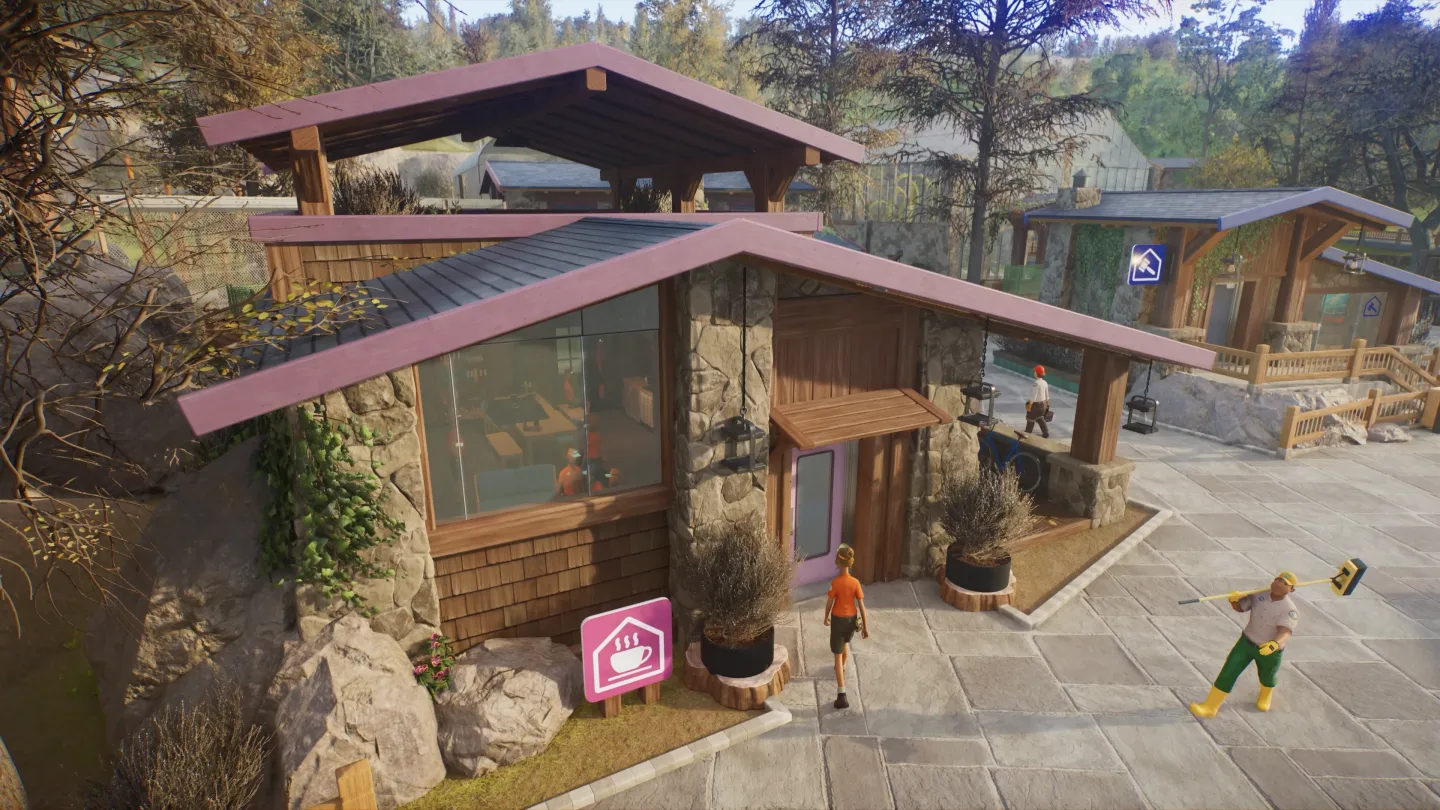
Vets research animals and treat illness. Keepers provide feeding and care, while mechanics maintain habitats and facilities. The animal environment depends on this support even if the most visible improvements are terrain or enrichment.
Work Zones let you divide a zoo into manageable areas. Use them to keep the care and research plan understandable, then review staff workload and satisfaction. Staff need appropriate pay, training, and manageable work; dissatisfied staff may quit.
Avoid assigning a universal staffing ratio to the Thriving system. The provided information does not establish a required number of vets per species or a fixed research schedule. Inspect the options and workload in your actual zoo.
Staff facilities can be visible to guests in the sequel, and guests enjoy seeing care work. This provides a creative way to connect the story of animal care with the visitor experience. It does not mean that merely exposing a staff building makes nearby animals thrive.
Make one improvement and evaluate it
A useful iteration starts with a clear hypothesis: the selected animal has adequate ordinary welfare, research has provided a relevant option, and a particular change should improve its environment. Make the change, then revisit the animal's current state.
Keep the expected outcome specific. If the plan concerns enrichment access, inspect that condition and the resulting behavior. If it concerns additional flying space, use the habitat's Flyable Area and the bird's welfare. Do not judge every experiment only by the overall cash balance.
If the animal does not reach Thriving, avoid adding unrelated objects until the habitat becomes cluttered. Review the research prerequisite, the species needs, and whether the intended improvement is usable. The missing condition may be a different requirement from the one you chose to change.
Record a successful result in terms you can repeat: which species, what condition was addressed, and what the animal's state showed afterward. That is more useful than a universal shopping list that ignores species differences.
Recheck the state as the zoo changes
A habitat is not static. Population, terrain, resource arrangement, and visitor viewing can change as the zoo grows. Return to the selected animals after substantial edits rather than assuming an earlier result continues indefinitely.
Review new or maturing animals separately. A successful habitat for the original group should be treated as a starting point for the changed population. Do not infer that every future inhabitant automatically receives the same result.
Consider Thriving alongside the wider care and management goals. Longer lives and additional donation encouragement are confirmed benefits, while good ordinary welfare, guest services, education, and sustainable operation still matter to the zoo. Your practical endpoint is a species-specific care improvement verified by the animal's state, supported by research and a habitat whose functional choices you can explain.